Region Stockholm
Regional Chief Executive’s Office
PO box 22550
SE - 104 22 Stockholm
Regional Chief Executive’s Office
PO box 22550
SE - 104 22 Stockholm
Primary METREX contacts

About Stockholm Region
The Stockholm region is one of the fastest-growing metropolitan regions in Europe. Through innovation, entrepreneurship, and a diverse range of industries, the region serves as Sweden’s primary engine of growth and contributes to the sustainable growth and development of the EU. The business sector is characterized by a strong service industry with a knowledge-intensive profile. The region is also home to many export companies, which account for 25 percent of Sweden’s goods exports and about one-third of its services exports.
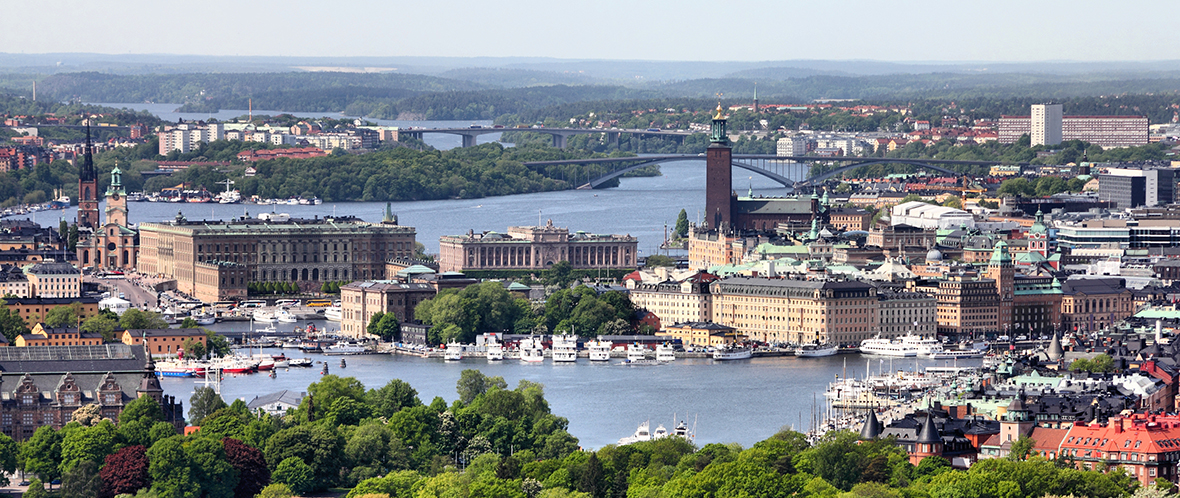
The Stockholm region comprises 26 municipalities, with the City of Stockholm being the largest in terms of population. Stockholm is also Sweden’s political and administrative centre, and a large share of the country’s international headquarters are located here.
Approximately 2.5 million people live in the Stockholm region, of whom about 6 percent (160,000) live in areas classified as rural. The population is expected to grow to around 3 million by 2060.
The region includes dense, mixed-use urban areas with a wide range of workplaces, commerce, and cultural activities, as well as small-town environments offering more locally oriented services. Smaller villages and rural communities, including those in the archipelago, complement the central urban areas by providing living environments with distinct rural qualities.
Large parts of the region consist of extensive and continuous green infrastructure. These areas, known as “green wedges,” comprise unique natural and cultural landscapes that extend from the outskirts of the region all the way into its central areas. These green wedges are highly valuable due to their contributions to biodiversity, species dispersal, recreation, climate adaptation, and carbon sequestration.
Long-term investments in public transport have enabled a shift away from car dependency towards a high share of journeys made by public transport. Today, the Stockholm region’s public transport system is ranked among the best in the world and ensures high mobility within and between different parts of the region.
Key documents
Planning issues
Meeting the demand for new housing, workplaces, and infrastructure while simultaneously reducing climate emissions and minimizing the use of new land.
Strategic planning issues include:
- Supporting the continued development of the circular economy, with a particular focus on the building and construction sector;
- Promoting efficient land use;
- Ensuring high accessibility through public transport;
- Safeguarding areas for recreation, biodiversity, and carbon sequestration; and
- Increasing the efficiency and capacity of utility systems.
Creating equal and good living conditions for all residents of the Stockholm Region.
Strategic planning issues include:
- Reducing the negative effects of socio-economic segregation and barriers within the region;
- Ensuring equal access to welfare services, employment opportunities, education, and other essential services;
- Providing access to a diverse housing stock with a variety of housing types, sizes, and forms of tenure; and
- Promoting healthy living environments.
Creating a safe and resilient region.
Strategic planning issues include:
- Ensuring that the supply of electricity, clean water, and other essential services can be maintained during crisis situations;
- Implementing effective climate change adaptation measures; and
- Preserving land resources needed in the long term for food and energy production, as well as for the expansion of critical infrastructure.